
Democratic Security
Interview
Russia Has Learned That Chaos Is Cheaper Than War – INTERVIEW
9 October 2026

16 April 2026
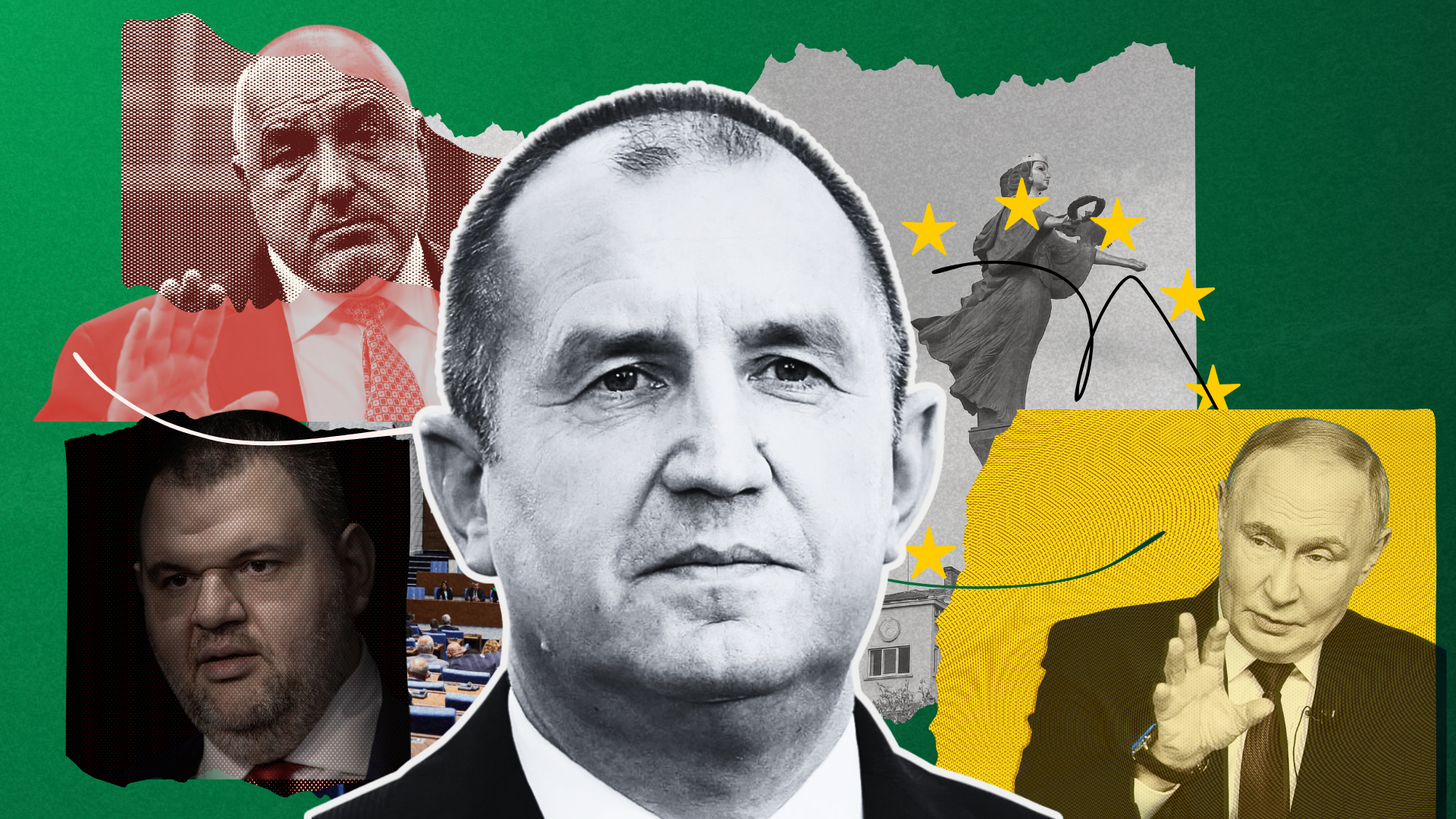
As Bulgarians head to the polls this Sunday, a manufactured need for change risks producing a new strongman in former President Rumen Radev, who leads a centre-left coalition, speaks the language of protest and may yet steer Sofia closer to Moscow.
On 19 April, Bulgaria will hold its eighth snap election in a row. The vote is a direct consequence of the December 2025 protests and the subsequent resignation of Rosen Zhelyazkov’s government later that month. The demonstrations exposed public anger at the tripartite minority coalition of mainstream parties – GERB, the Bulgarian Socialist Party and There Is Such a Nation – ostensibly supported and heavily dependent on Delyan Peevski’s Movement for Rights and Freedoms-New Beginning (MRF-NB). The protests were sparked by the 2026 budget proposal, which sought simultaneously to drain public finances and raise taxes. Together with politically motivated prosecutions and repeated abuses of power, this generated a wave of discontent not seen in the country since 1990.
Bulgaria has been locked in a political crisis since 2021, when popular protests propelled the We Continue the Change-Democratic Bulgaria electoral bloc to openly confront the state-capture system, widely associated in Bulgaria with three-time Prime Minister Boyko Borisov and Delyan Peevski. Since then, elections and caretaker administrations have followed one another in quick succession. An unresolved clash between reformists and status quo defenders has prevented either camp from securing a decisive mandate, effectively leaving the country without a stable governing majority.
This snap election campaign shows little sign of resolving that deadlock, with current opinion polls revealing a picture that raises more questions than answers. Radev’s new political project Progressive Bulgaria (PB) appears capable of winning more than one-third of the popular vote, which is not enough to govern alone but sufficient to dominate any coalition talks. Borisov’s GERB is projected to come second with around 20 per cent, followed by the reformist We Continue the Change-Democratic Bulgaria bloc on roughly 12 per cent, Peevski’s MRF-NB on 9 per cent, Revival on seven per cent and the Bulgarian Socialist Party barely above the four per cent threshold.
Democratic Security
Interview
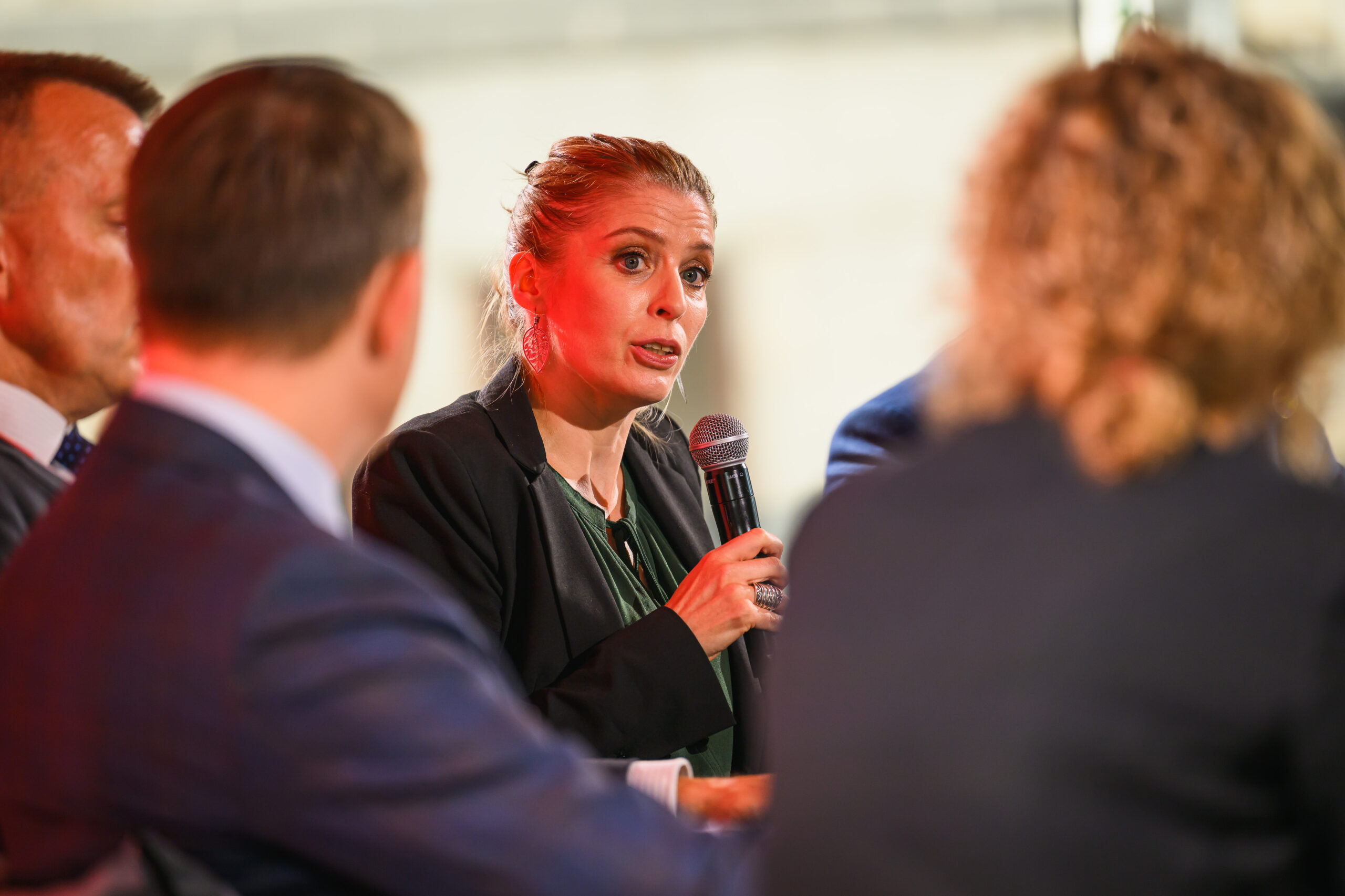
Russia Has Learned That Chaos Is Cheaper Than War – INTERVIEW
9 October 2026
Commentary
Democratic Security
Poland’s Power Needs a Purpose
8 October 2026
Commentary
Democratic Security
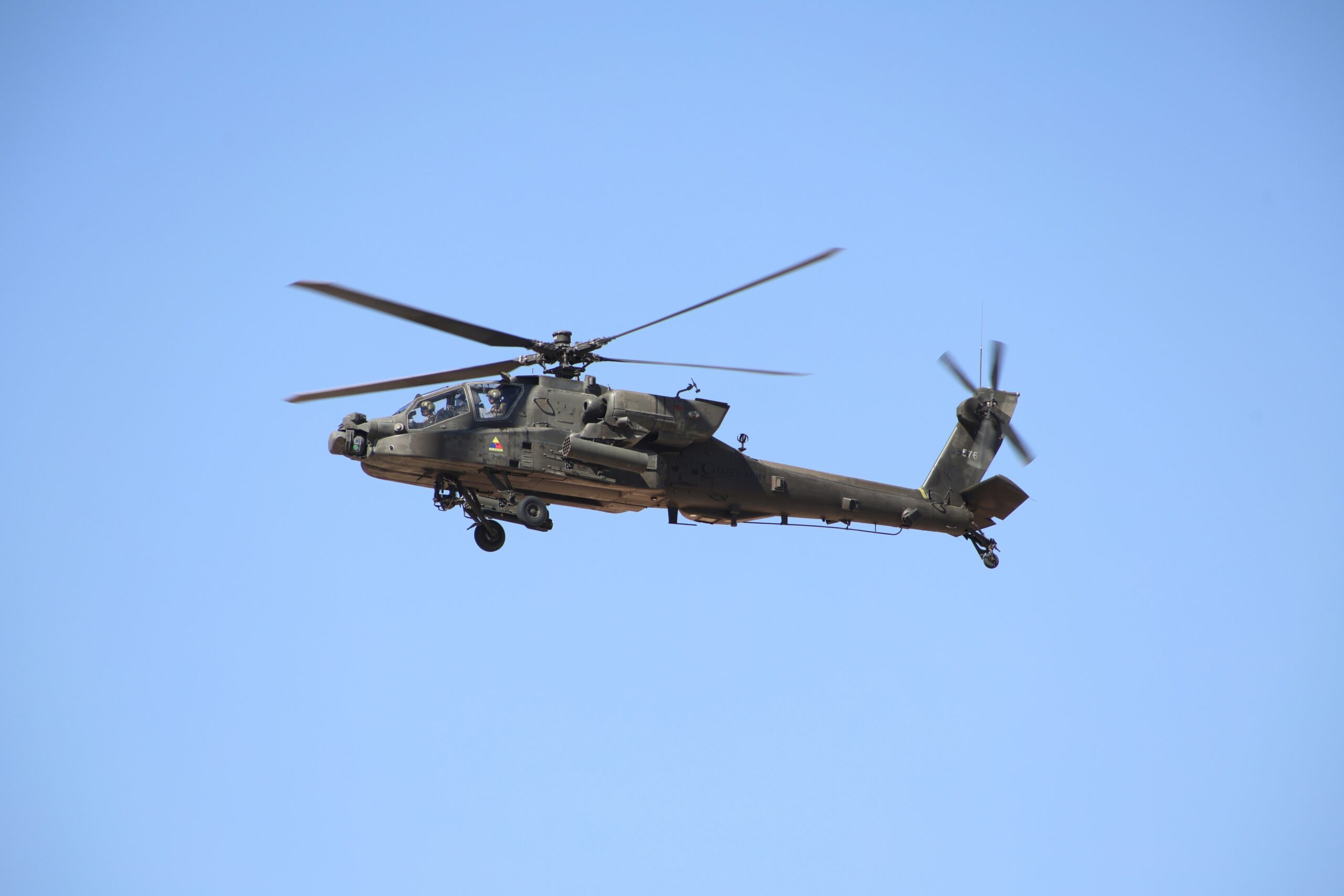
Buy American, Build European? CEE’s New Defence Strategy
7 October 2026
Commentary
Democratic Security
The Deafening Silence of Poland in Europe
6 October 2026