Think Tank
Video chats
No clean hands: Ukraine’s corruption scandal and Central Europe’s glass house
1 December 2025

15 October 2025
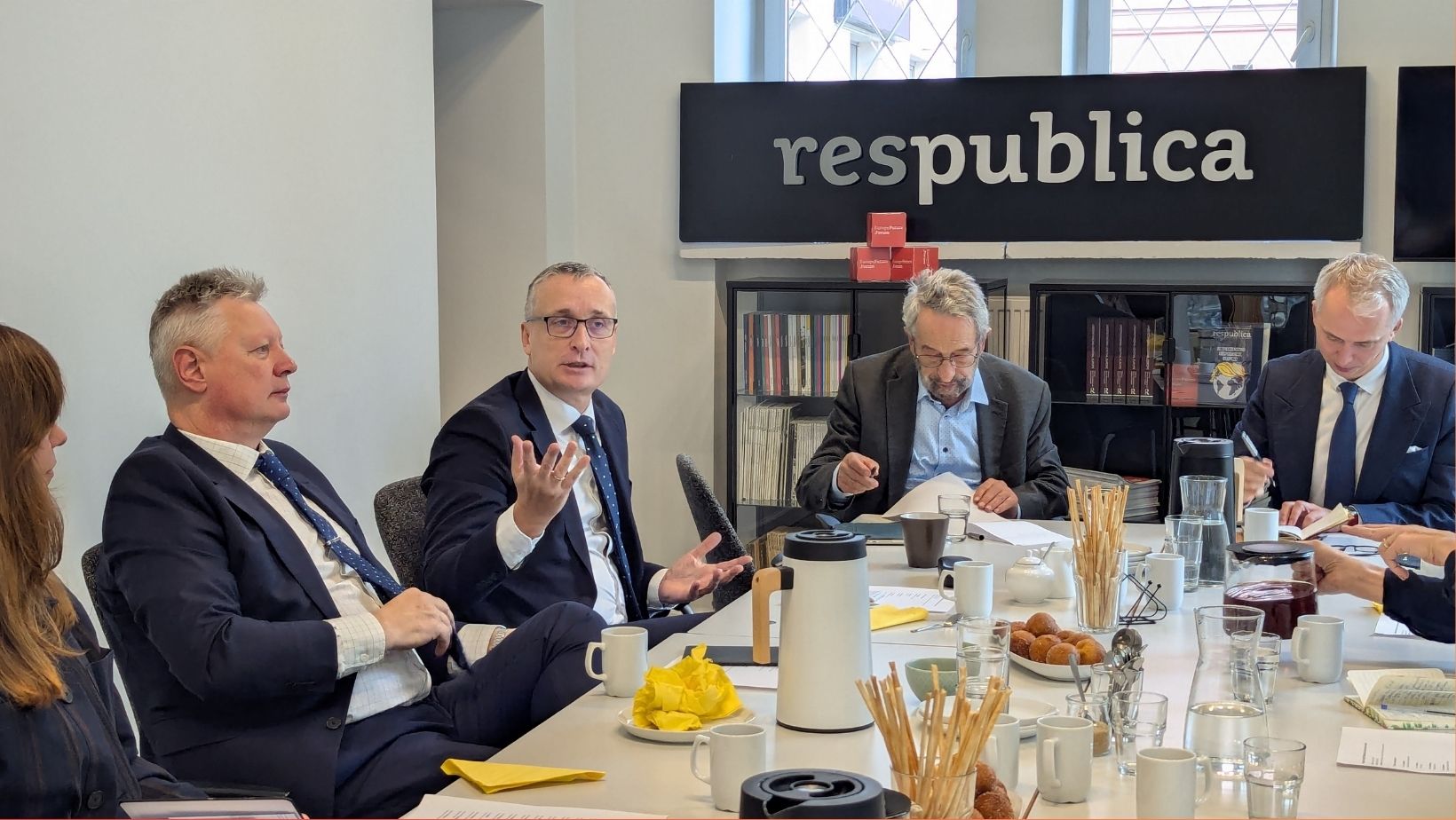
The Czech elections signal a pragmatic yet Eurosceptic shift under Babiš, with implications for EU unity and regional cooperation. While a pro-Russian turn is improbable, reduced support for Ukraine and alignment with populist EU factions could strain partnerships.
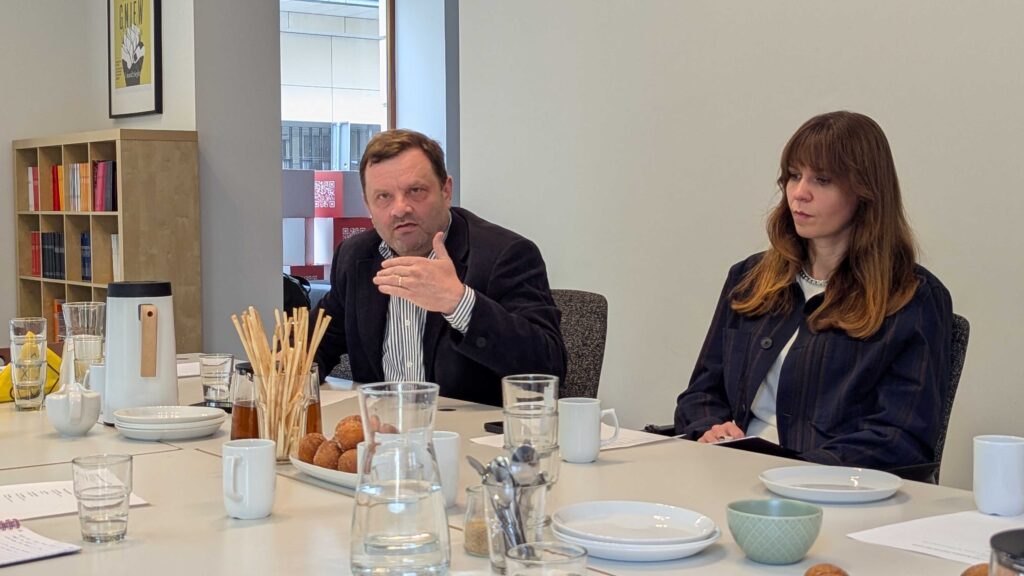
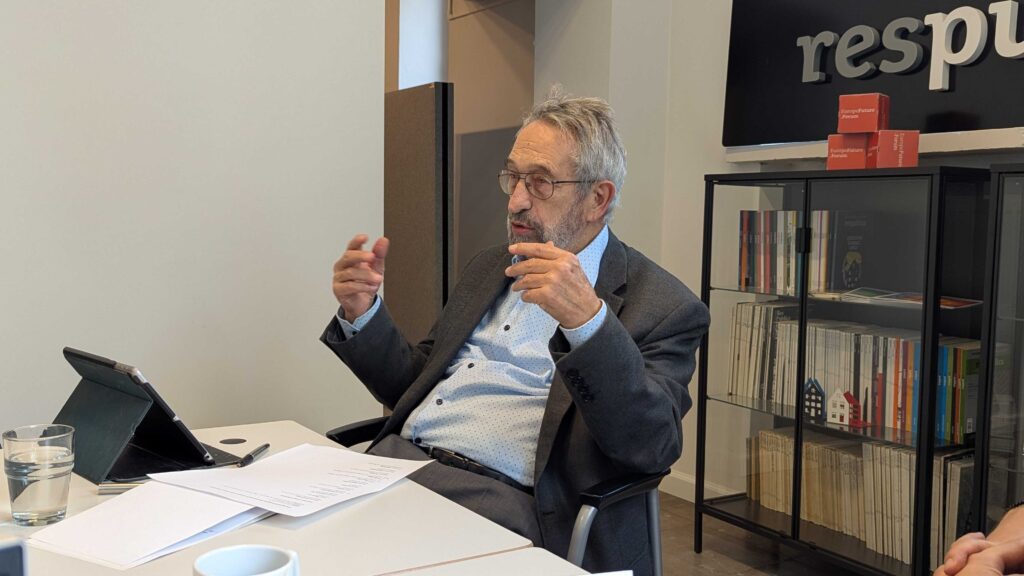
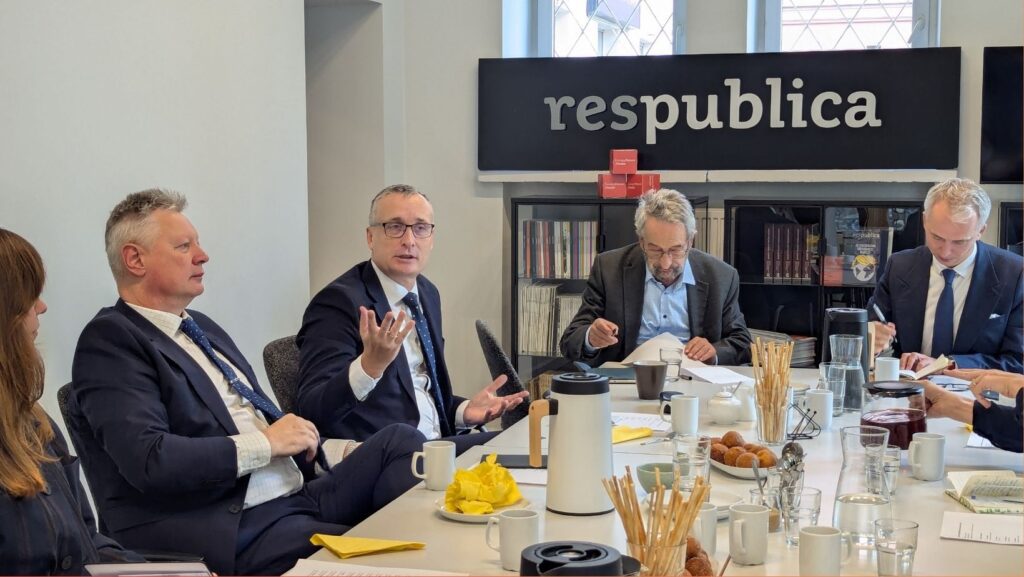
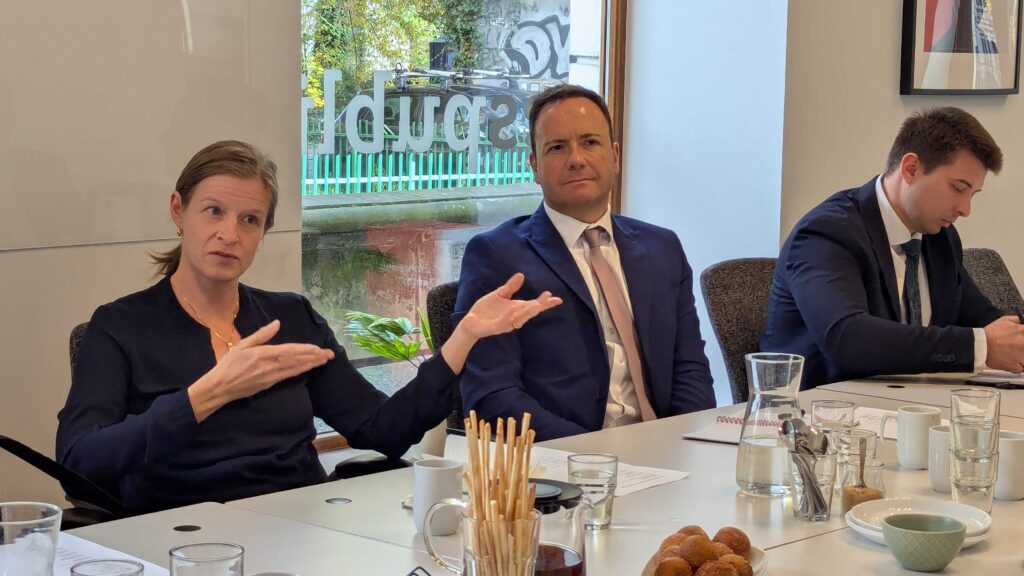
On 14 October, we had the pleasure of welcoming ambassadors, diplomats and government representatives to the Visegrad Insight Breakfast. The meeting featured a special guest, Eugeniusz Smolar, an experienced foreign policy analyst and senior policy fellow, who previously served as President of the Centre for International Relations and co-founded the Polish-Czech Forum.
The 2025 Czech parliamentary elections saw Andrej Babiš’s ANO party secure 80 seats in the 200-seat parliament, falling short of a majority. Opposition parties collectively hold 92 seats, creating a fragmented political landscape. Babiš’s populist promises, including housing relief and increased benefits, appeal to voters facing economic pressures, despite Czechia’s 2.6 per cent GDP growth and reduced public debt (46 per cent of GDP). His reliance on smaller parties like the Motorists (13 seats) and the radical SPD (7.8 per cent) complicates coalition building.
Foreign Policy
Babiš’s victory raises concerns about Czechia’s foreign policy direction, particularly its EU and NATO commitments. While he emphasises pragmatism and denies anti-EU or anti-NATO sentiments, his campaign echoed Hungary’s Viktor Orbán, advocating a passive stance on Ukraine, including abandoning the ammunition initiative. “Babiš is likely to follow Orbán’s line in Brussels on climate and migration policy, which could create headaches for the European Commission,” was said during the discussion. This could weaken EU cohesion, especially on Ukraine support, aligning Czechia with Hungary and Slovakia’s Eurosceptic bloc.
Despite pro-Russian disinformation aiding ANO’s campaign, a full pivot to Moscow is unlikely, as only 25 per cent of Czechs hold favourable views toward Russia. Babiš’s past expulsion of Russian diplomats in 2021 and Czechia’s energy independence from Russia reinforce this. However, his coalition with SPD, which favours dialogue with Moscow, may lead to a softer stance on sanctions. One participant added: “Babiš is a businessman with no interests in Russia, his rhetoric is tactical to capture nationalist votes”.
Regional Look
The Visegrád Group (V4) faces challenges but is not dead, despite Poland’s pragmatic approach under Donald Tusk’s government. Babiš may prioritise the Slavkov Triangle (Czechia, Slovakia, Austria) over V4, especially as Hungary and Slovakia diverge on security and Ukraine.
Poland sees economic connectivity with Czechia as vital, with Czechia as one of the main trade partners. A revived V4 could emerge if nationalist governments align post-2027 Polish elections, but current divisions limit its influence.

Think Tank
Video chats
No clean hands: Ukraine’s corruption scandal and Central Europe’s glass house
1 December 2025

EU Values Foresight
Think Tank
Public debate: Unpacking the Democracy Shield: Promise and Pitfalls
25 November 2025
Think Tank
Video chats
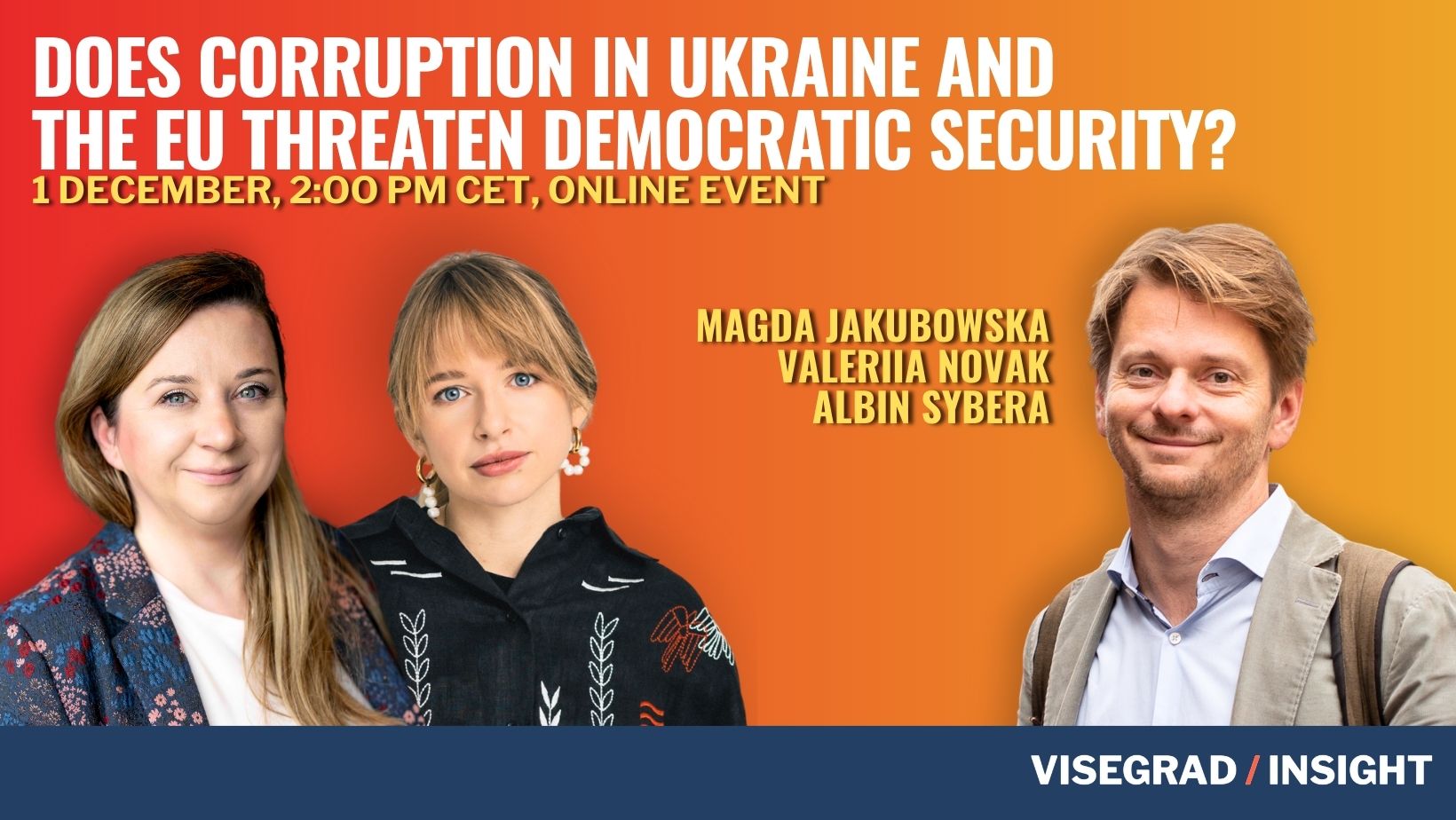
Online event: Does corruption in Ukraine and the EU threaten democratic security?
24 November 2025
EU Values Foresight
Think Tank
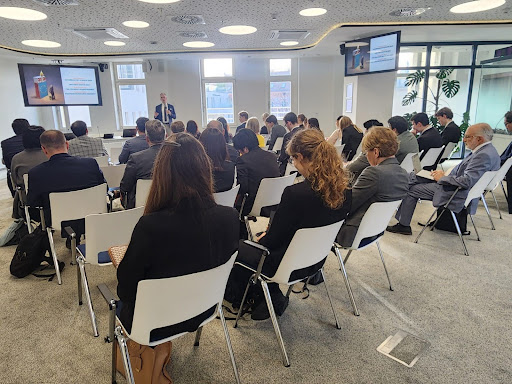
Roundtable event: Czech Civil Society in Crisis Preparedness: Linking Bottom-Up Foresight with EU Priorities
7 November 2025