
1 April 2026
Changemakers from across Central and Eastern Europe convened in Warsaw to strengthen democratic resilience in the region.
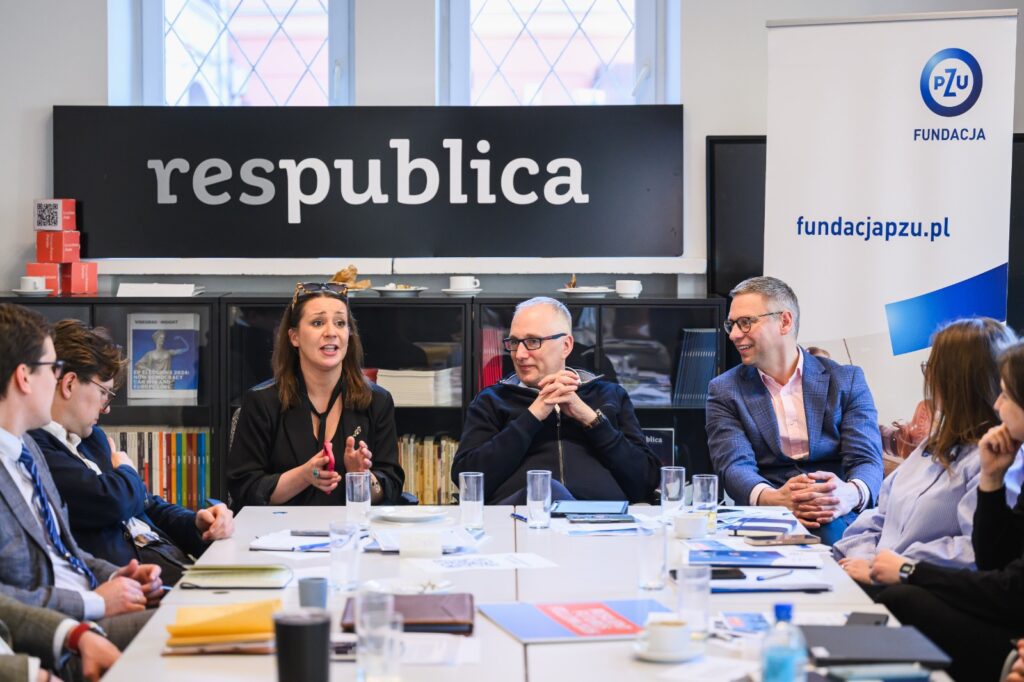
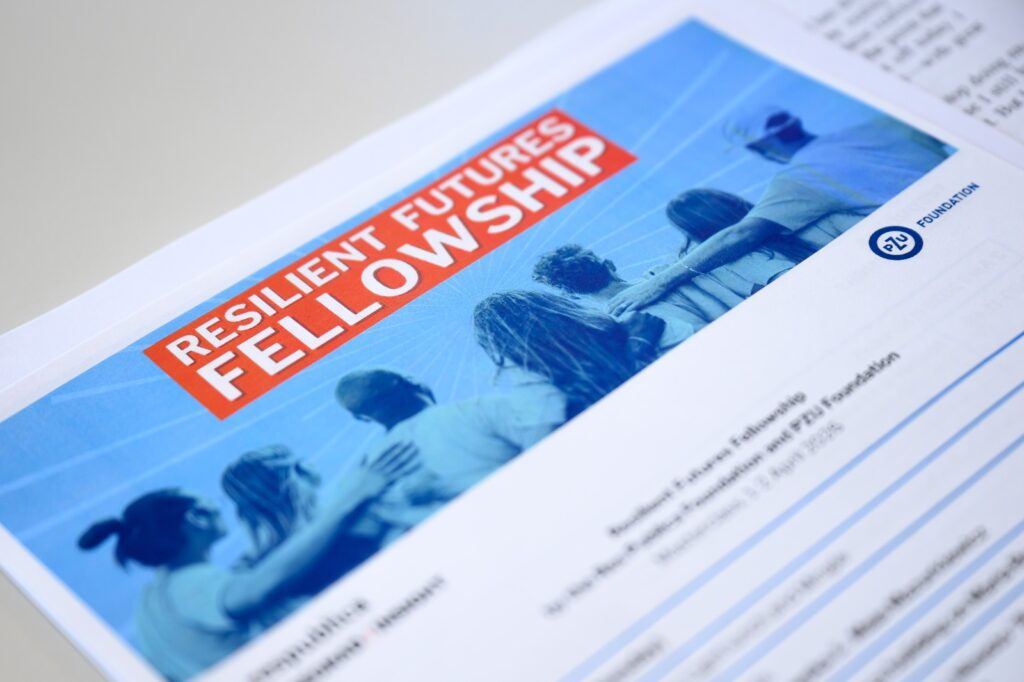
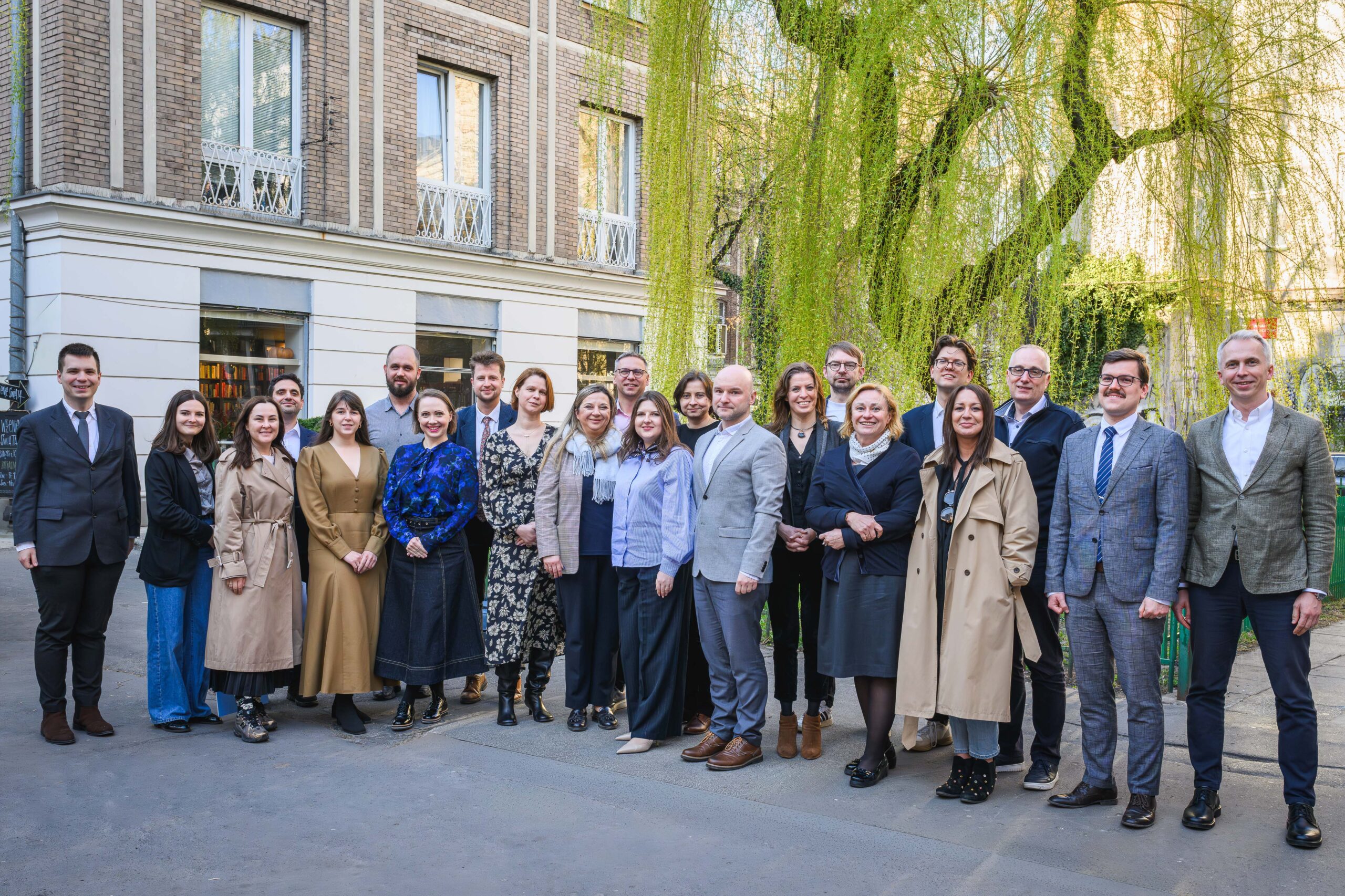
Resilient Futures Fellowship, initiated by the Res Publica Foundation and the PZU Foundation, brings together the next generation of changemakers from Poland, Estonia, Latvia, Lithuania, and Ukraine to strengthen democratic resilience across the CEE region.
Explore the Visegrad Insight Fellows.
Who defends the undersea cables that carry the world’s data?
How does a journalist remain a credible voice when power works to silence them? What does the non-profit sector do when the state backslides into authoritarianism?
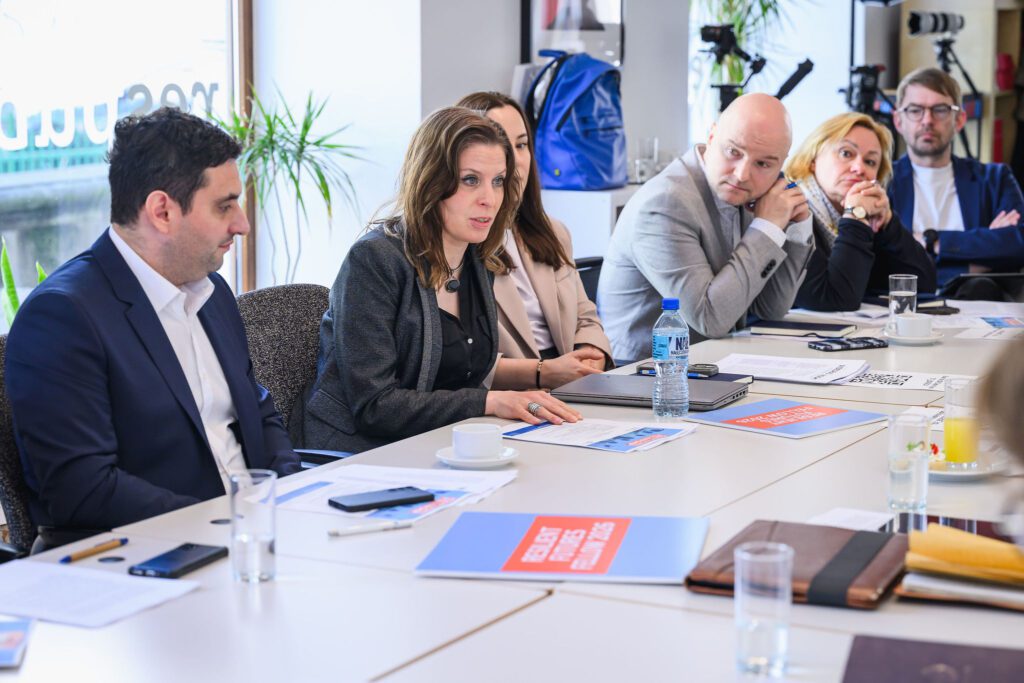
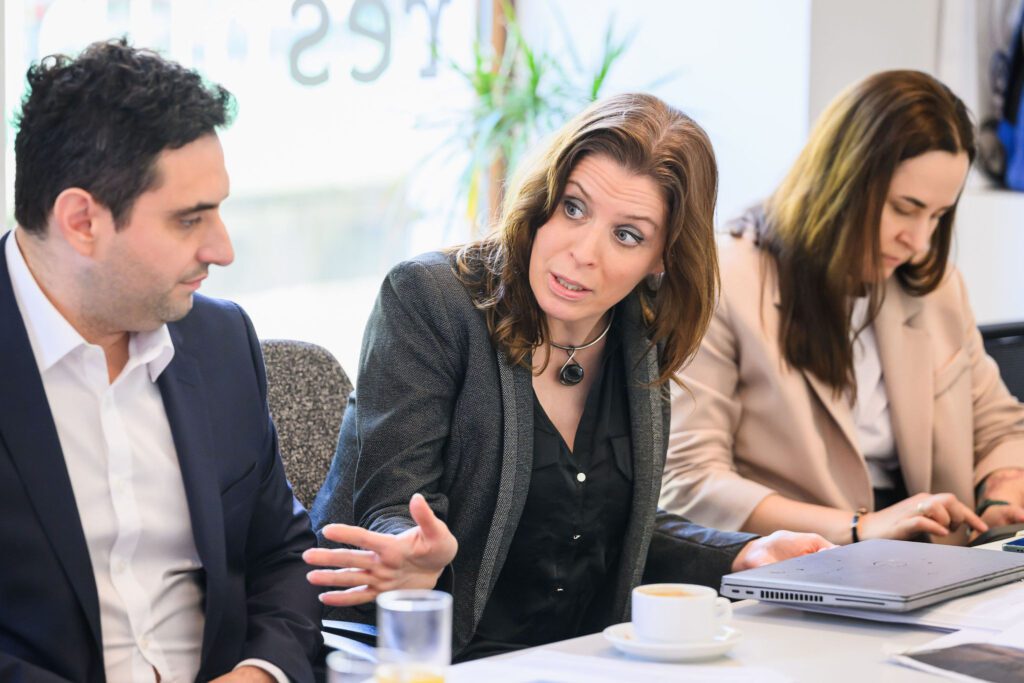
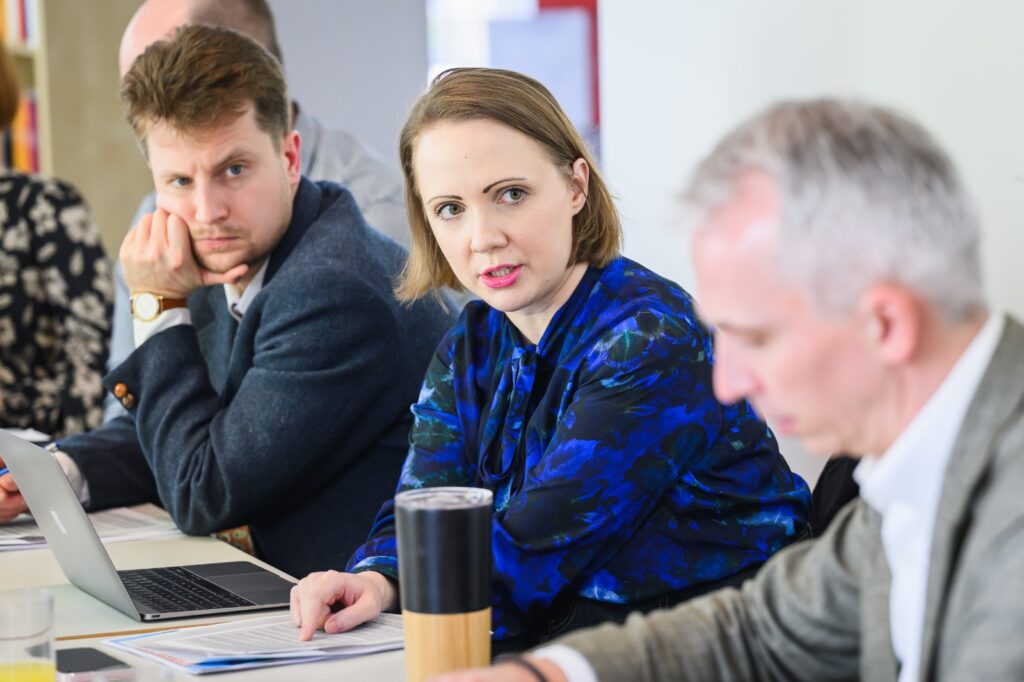
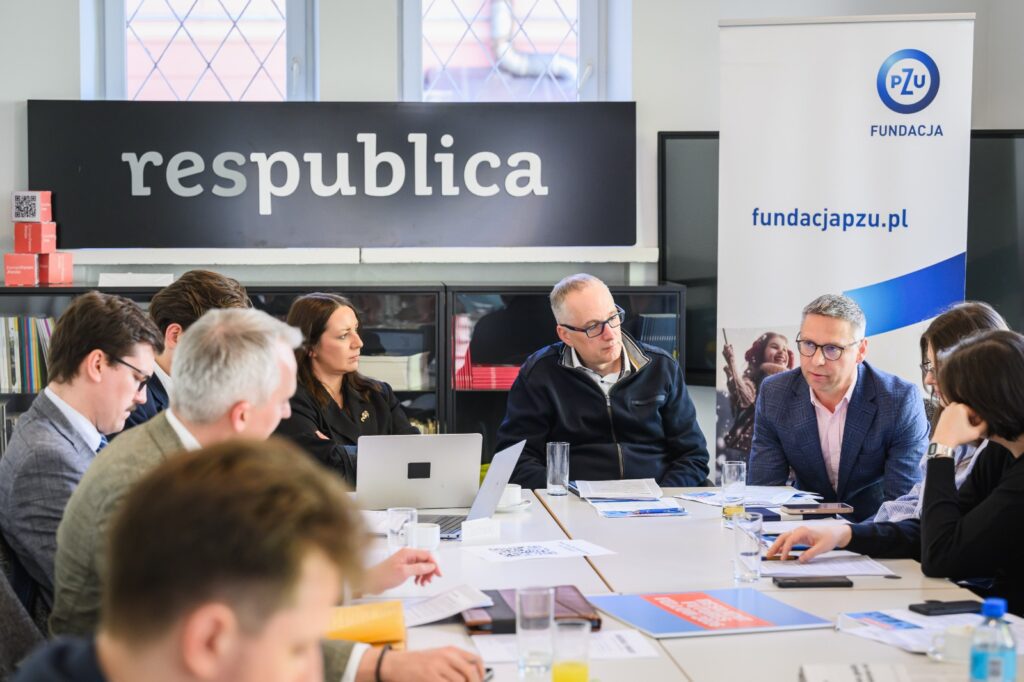
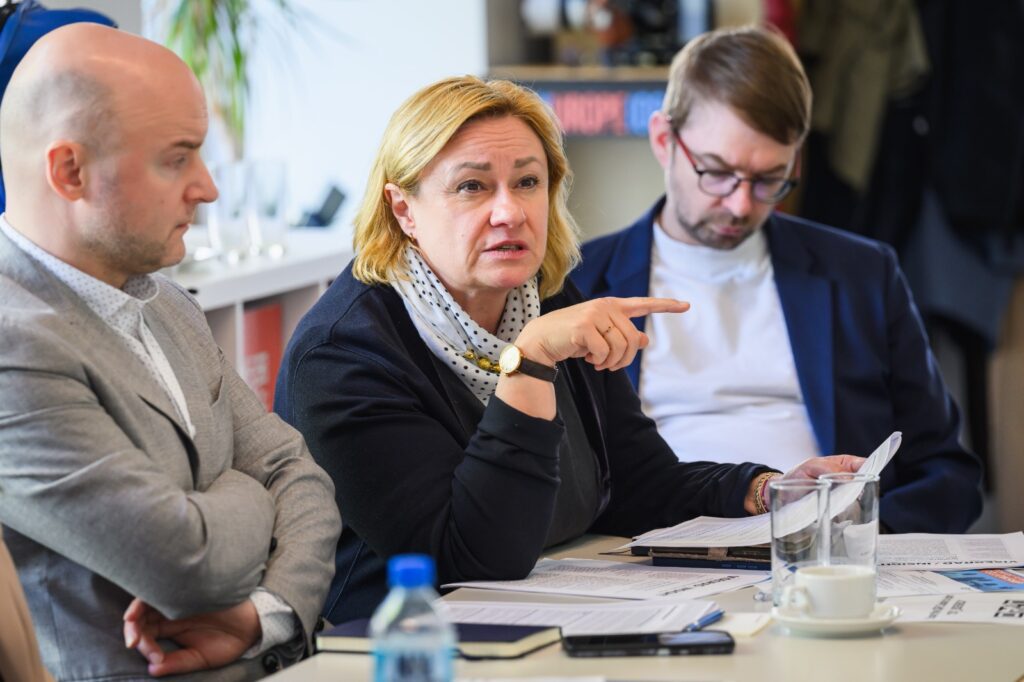
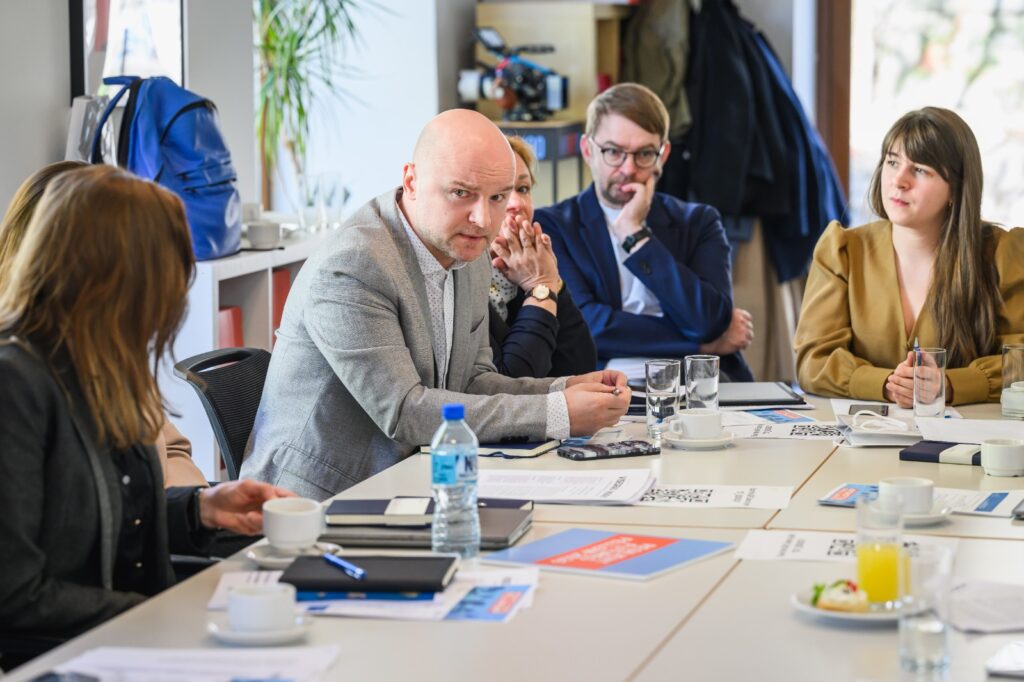
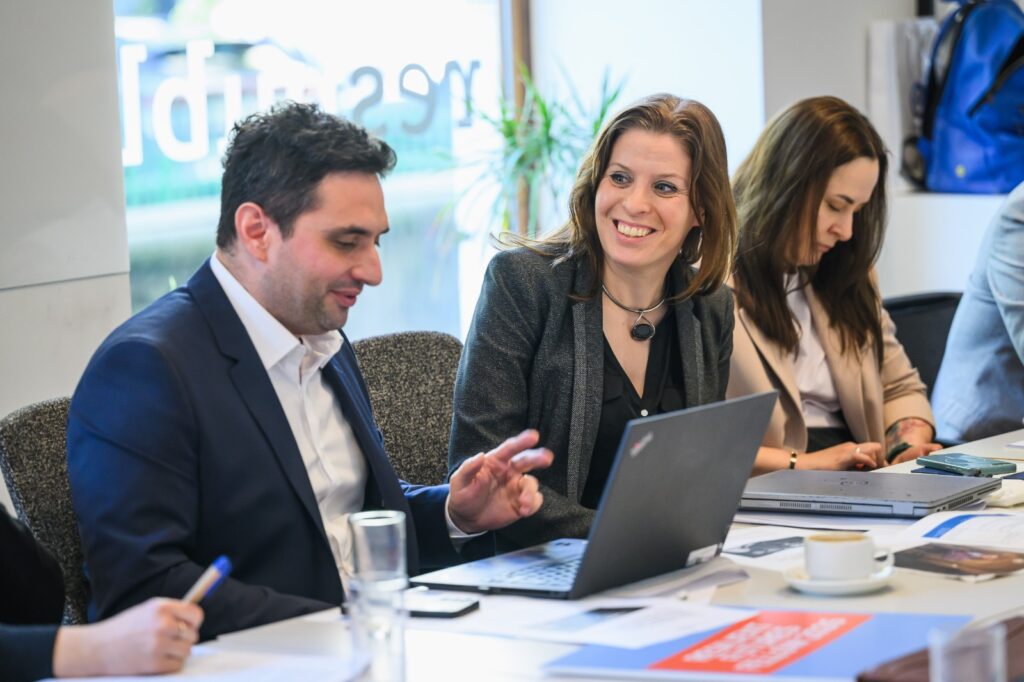
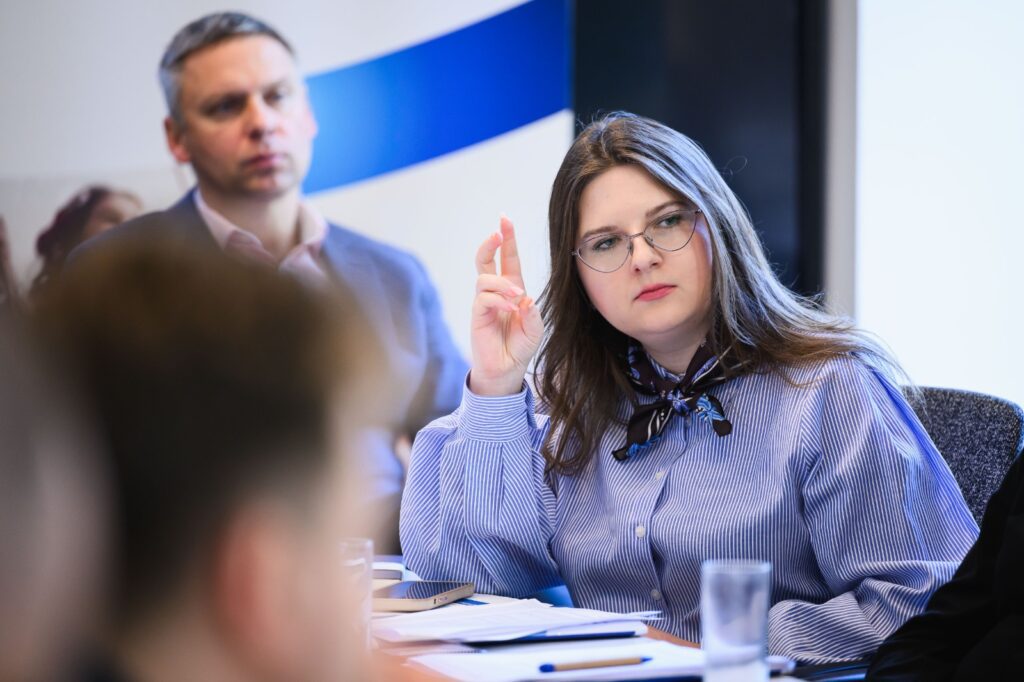
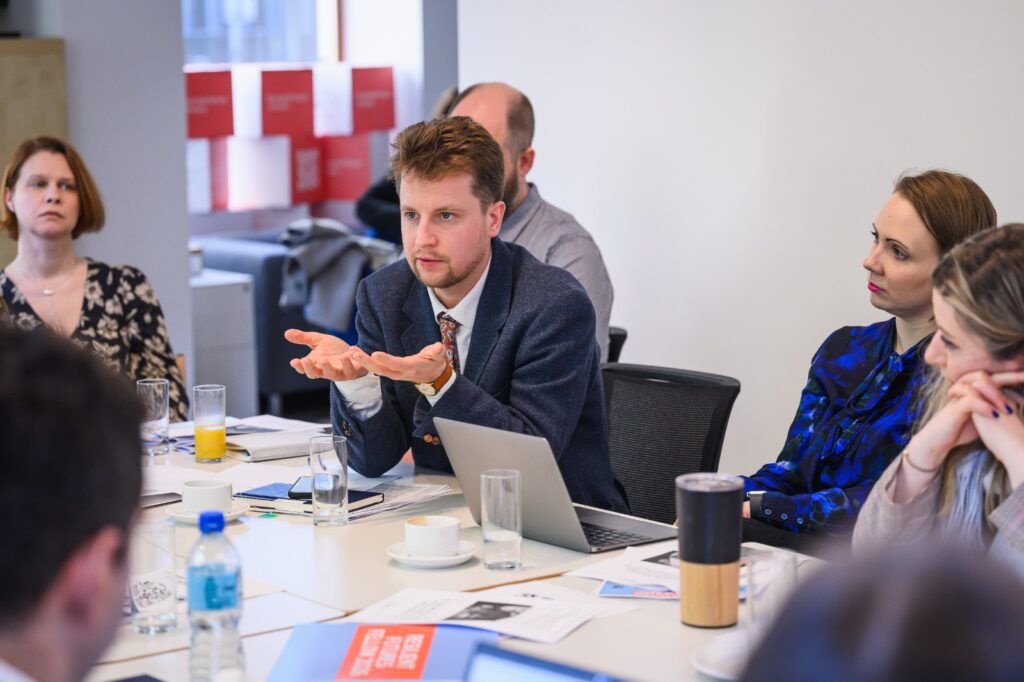
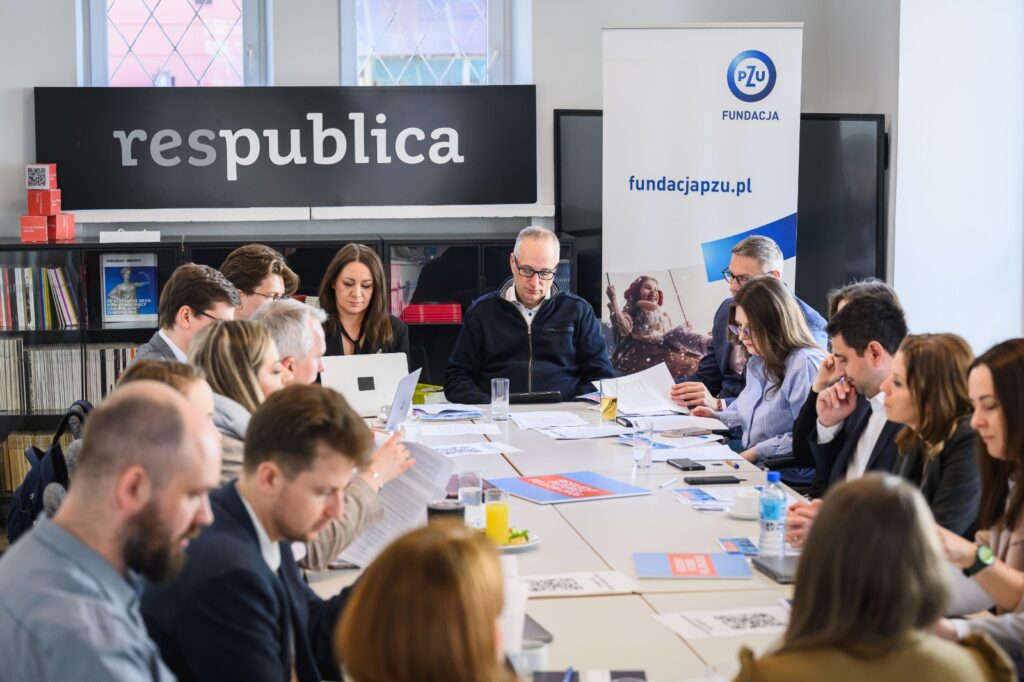
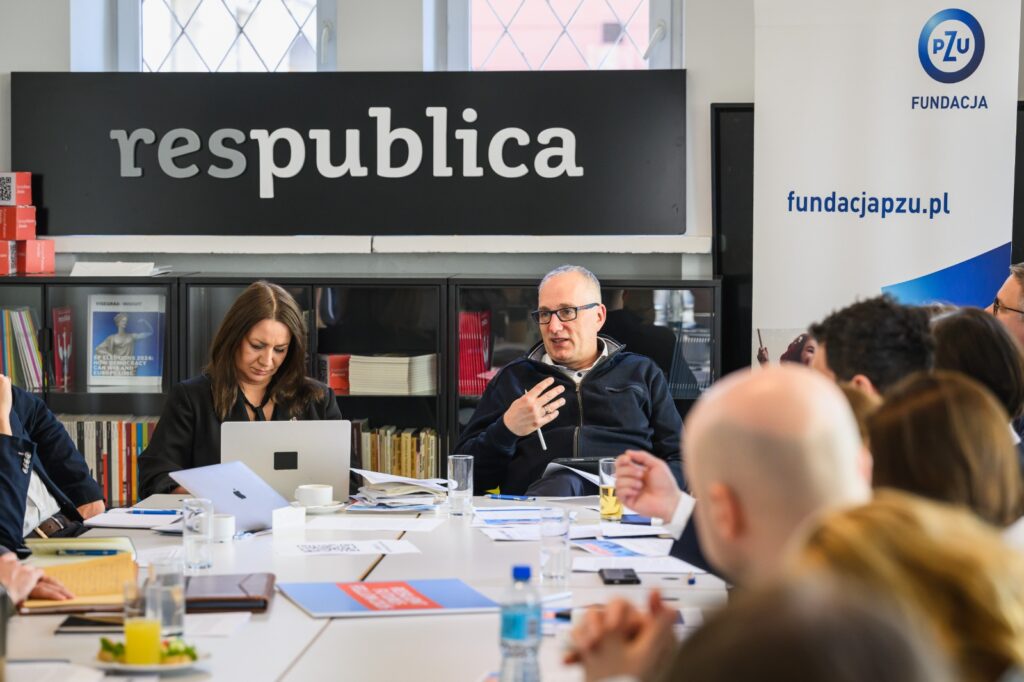
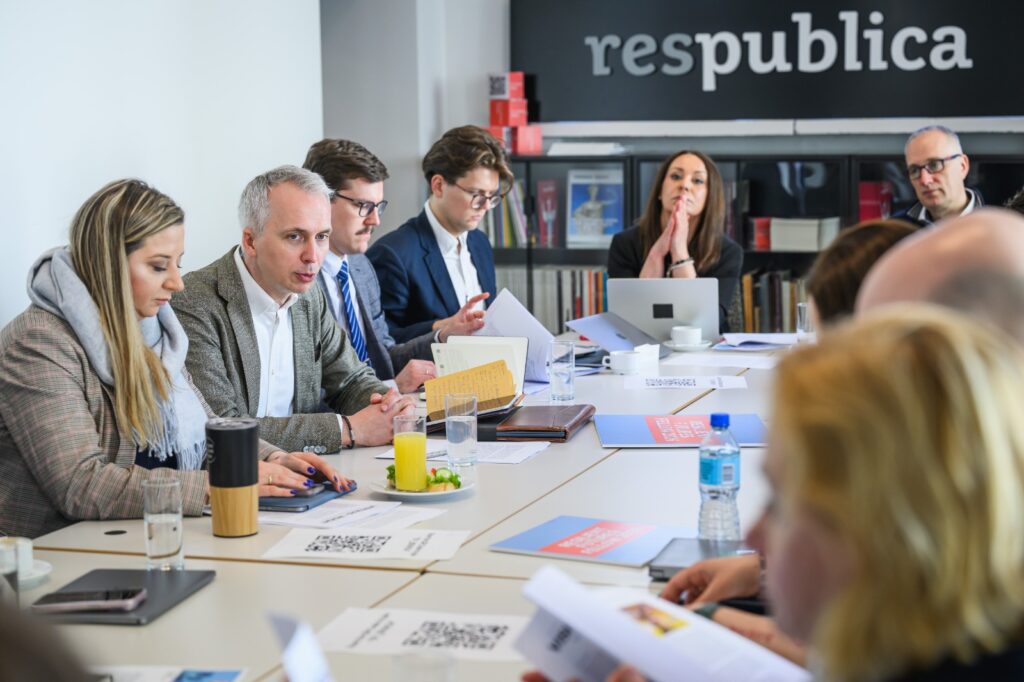
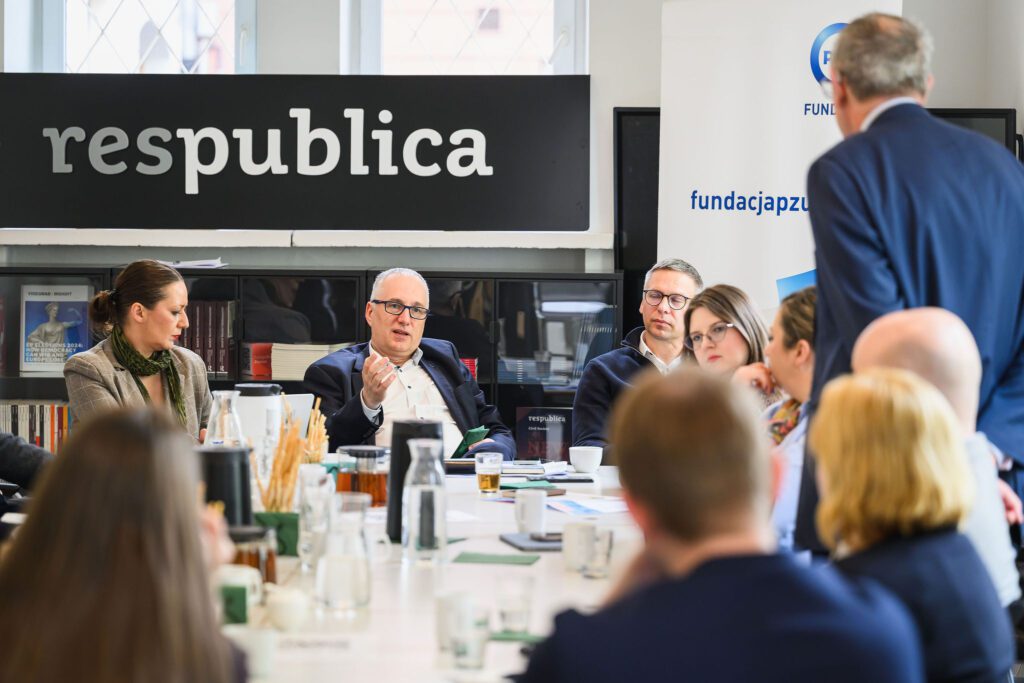
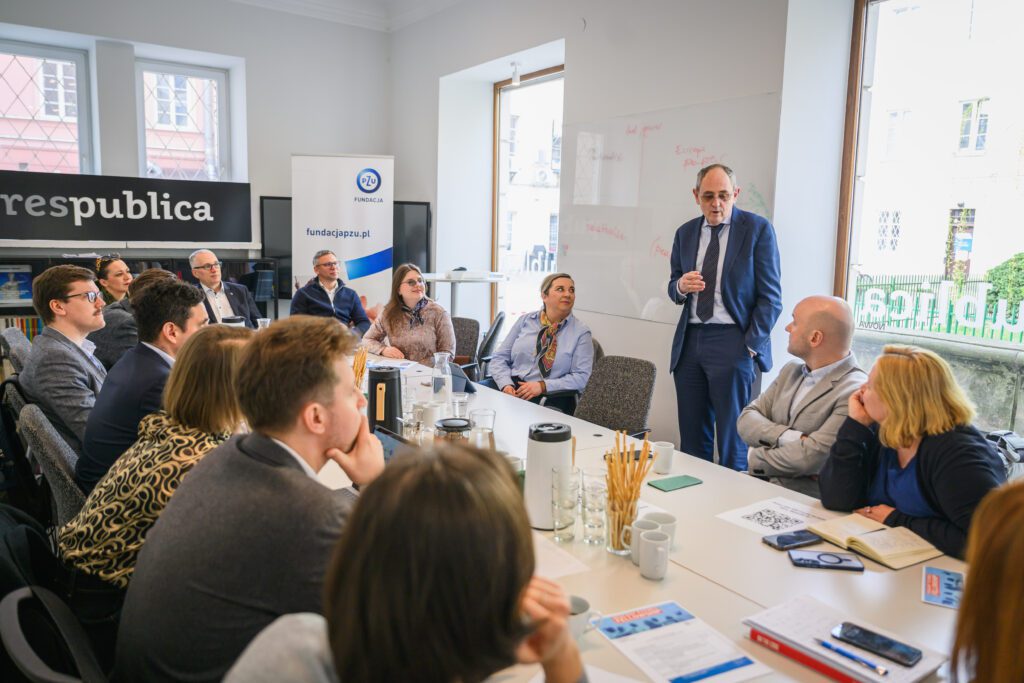
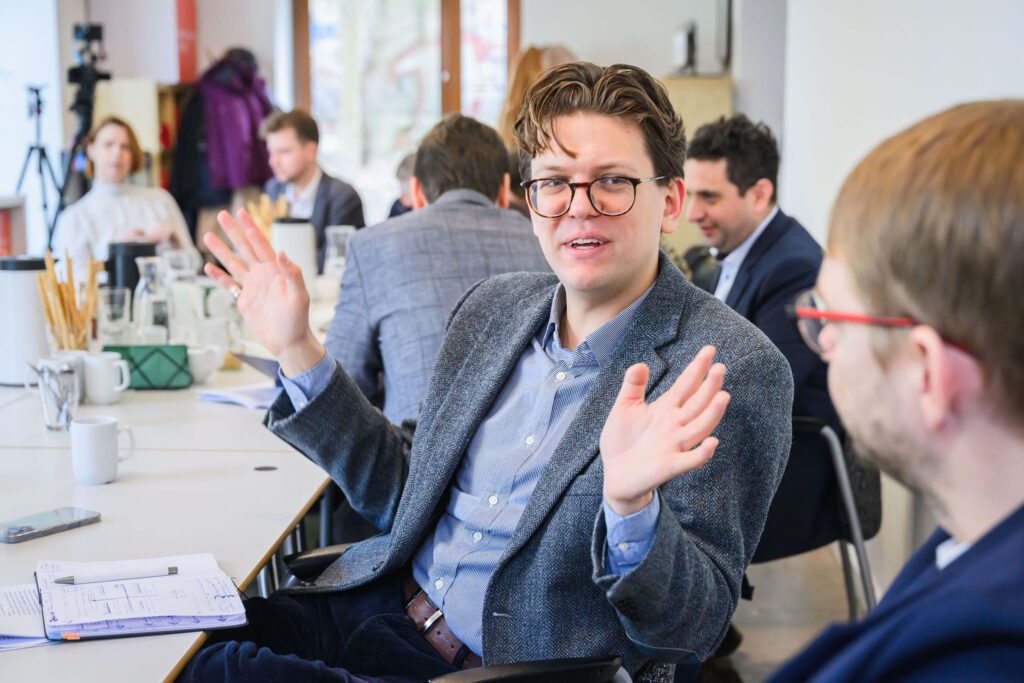
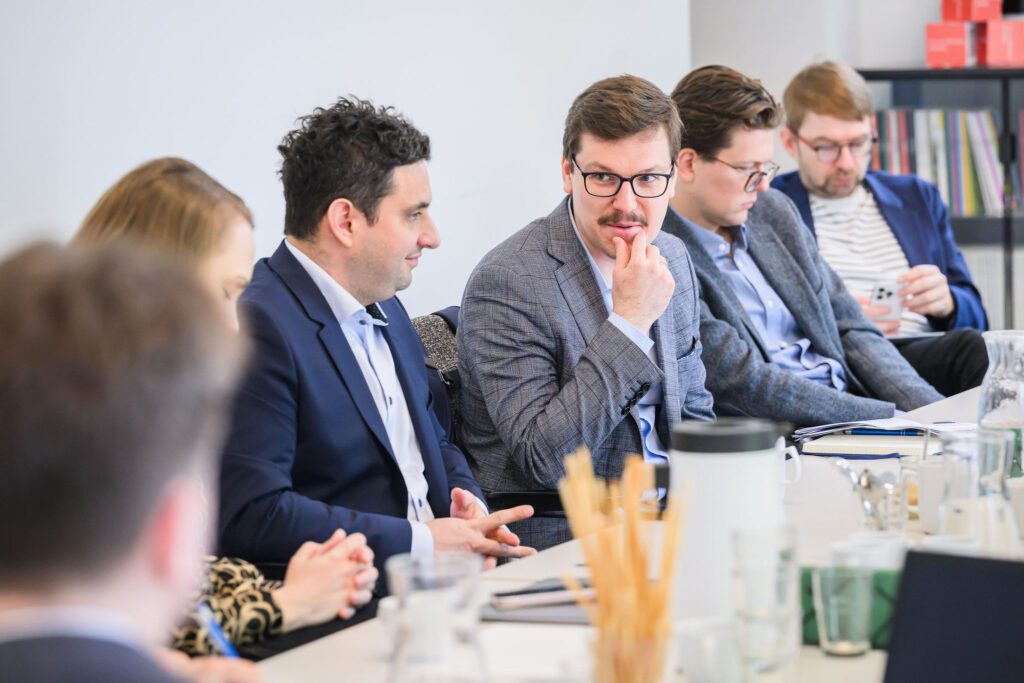
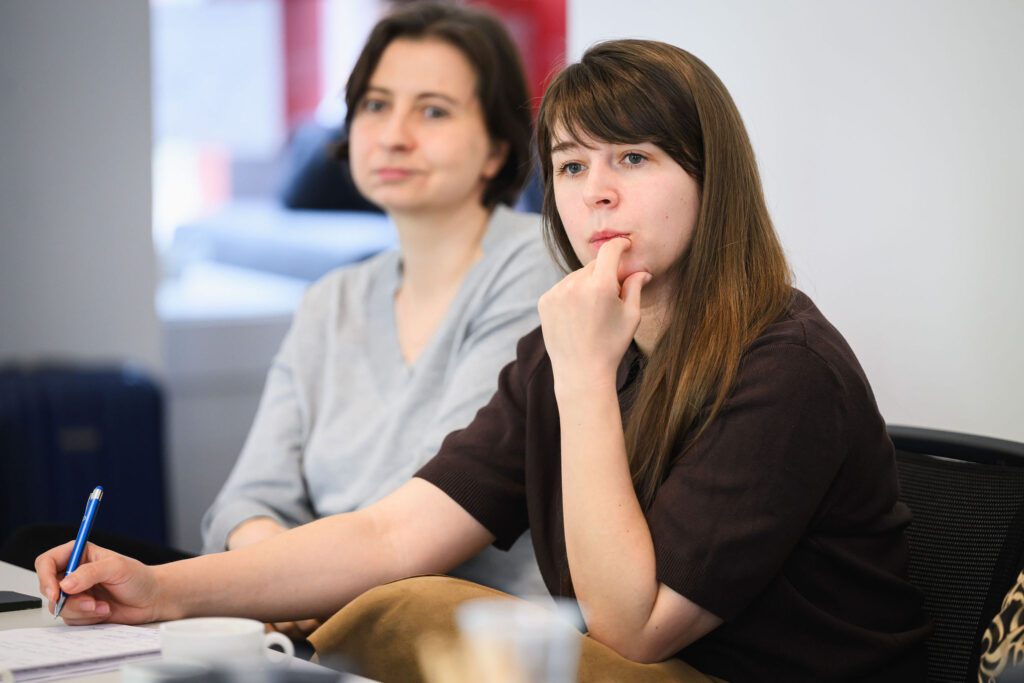
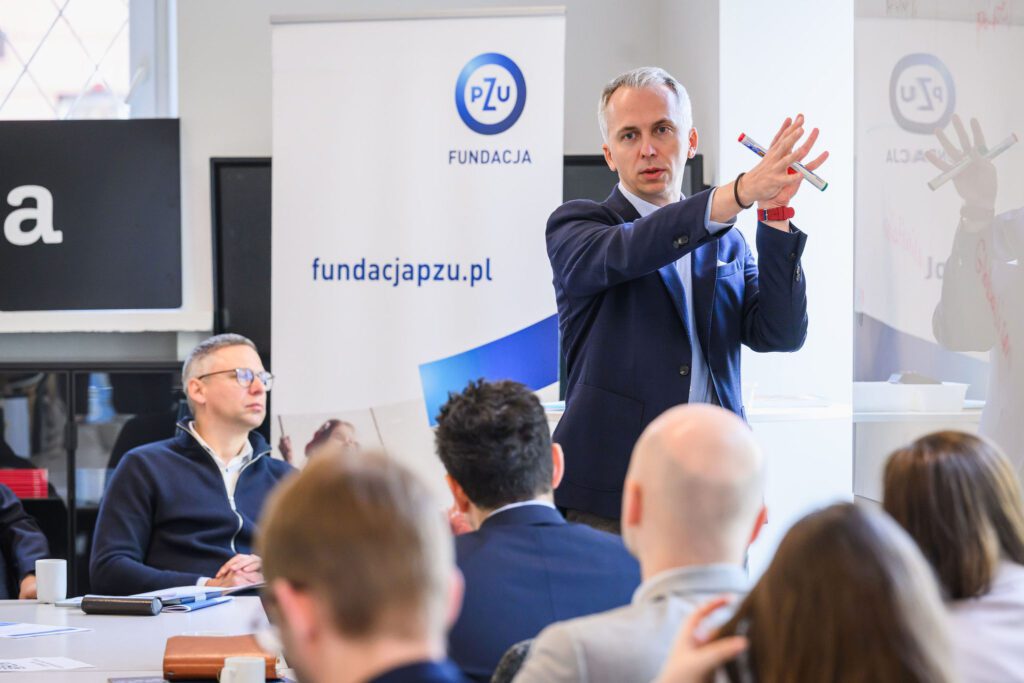
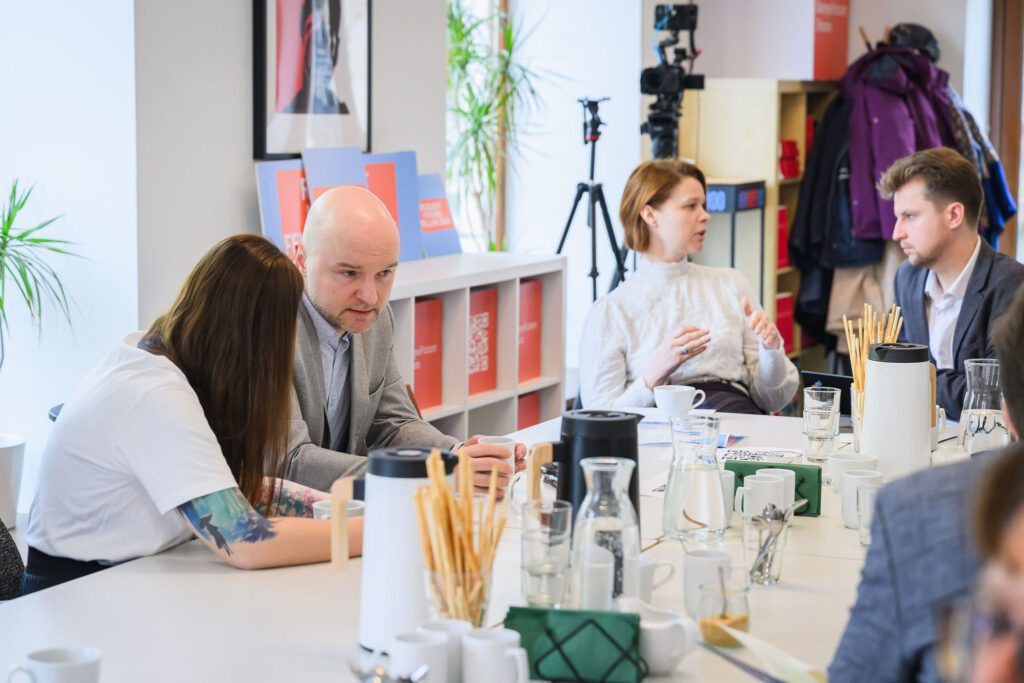
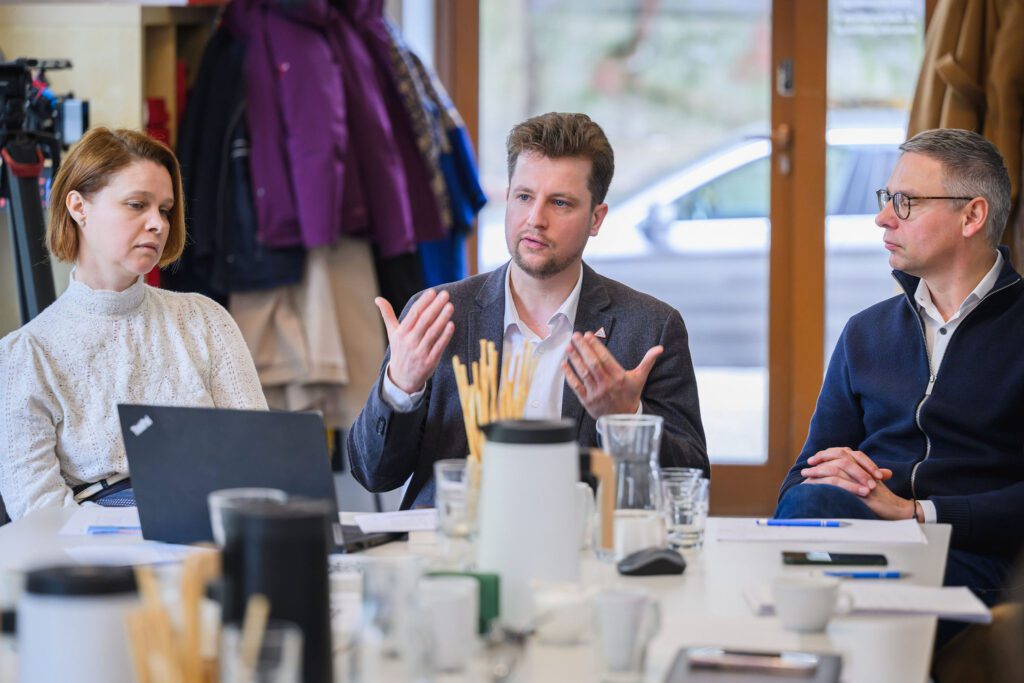
These are the questions that Visegrad Insight and its partners place at the centre of the Resilient Futures Fellowship’s in-person masterclass, held in Warsaw on 1 and 2 April 2026.
The programme was designed from the ground up around what the 18 fellows from Poland, Estonia, Latvia, Lithuania and Ukraine are actually facing. The masterclass curriculum is built to reflect the specific texture of the threat landscape across Central and Eastern Europe (CEE): from shoring up defence posture, defying grey-zone aggression, unhacking disinformation, ensuring freedom of civic space and revitalising the independent media landscape. Each module is conceived as a direct response to one of those fault lines and includes reading topic-specific texts.
Central to the design is a deliberate act of matchmaking. The Res Publica Foundation and the PZU Foundation, which jointly initiated the fellowship, worked to bring together practitioners and thinkers whose expertise maps precisely onto the challenges the fellows will take back to their respective countries’ institutions and communities.
Elisabeth Braw, a senior fellow at the Atlantic Council’s Transatlantic Security Initiative, leads the module on critical infrastructure resilience in the context of grey-zone threats, drawing on her work on the intersection of geopolitics and the globalised economy.
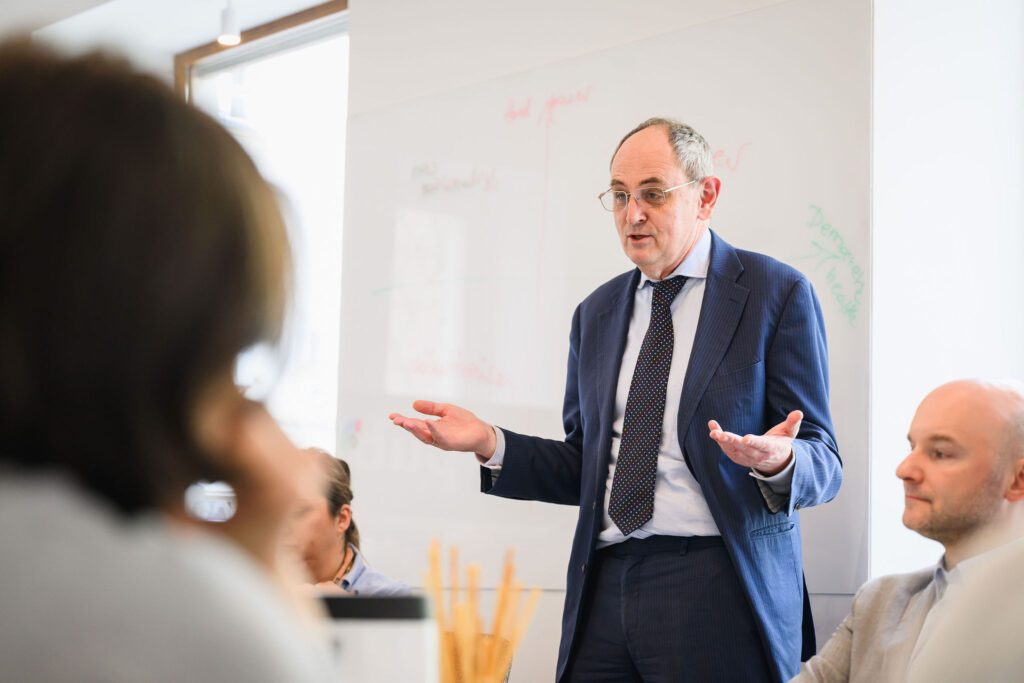
Edward Lucas, a senior vice-president at the Centre for European Policy Analysis (CEPA), former senior editor at The Economist and weekly columnist at The Times, anchors the module on how Central Europe can survive Russia’s acts of hybrid warfare.
Szabolcs Panyi, lead investigative editor at VSquare and investigative journalist at Direkt36, brings to the dinner keynote his first-hand account of how to stand up against an autocratic government that picked sides with the Russian bear.
A dedicated module on strategic foresight and disinformation, co-led by Przybylski and Magda Jakubowska, Vice-President of the Res Publica Foundation and architect of the #WomenAreNATO agenda, asks the fellows to work through how disinformation operates, what risks it carries and what credible response positioning looks like in practice.
The civic dimension of democratic resilience receives its own moment. Adela Gąsiorowska, Deputy Director of the National Institute of Freedom in Poland and a doctoral candidate at the Faculty of Law and Administration at the University of Warsaw, addresses the Polish non-profit sector and the strategies civil society has developed to sustain local democracy under pressure.
This Warsaw masterclass is the opening act of a wider programme of activities planned under the Resilient Futures Fellowship, with more to come in the months ahead.