
Analysis
Democratic Security
Hungary-Ukraine Spat Gains a New Dimension – OVERVIEW
1 October 2026

21 May 2019

In the EU, the latest political changes show that voters are more eager to lend their support to nationalistic rather than pro-European parties. These are the people who Brussels needs to address through concrete, people-focused narratives.
The ten-year internal EU crisis has led to a deepening of the split between more liberal and progressive political groups and their conservative and populistic opponents. The divides concern not only the economic or social well-being but also value and identity issues.
The upcoming elections and next EP term will require from EU officials and politicians clear decisions on how to communicate EU values and politics to the public without antagonising different groups of citizens or discouraging voters.
However, successful communication with citizens may not be easy as the Brussels elites rarely represent mixed and contradictory attitudes which may be found among the EU citizenry.
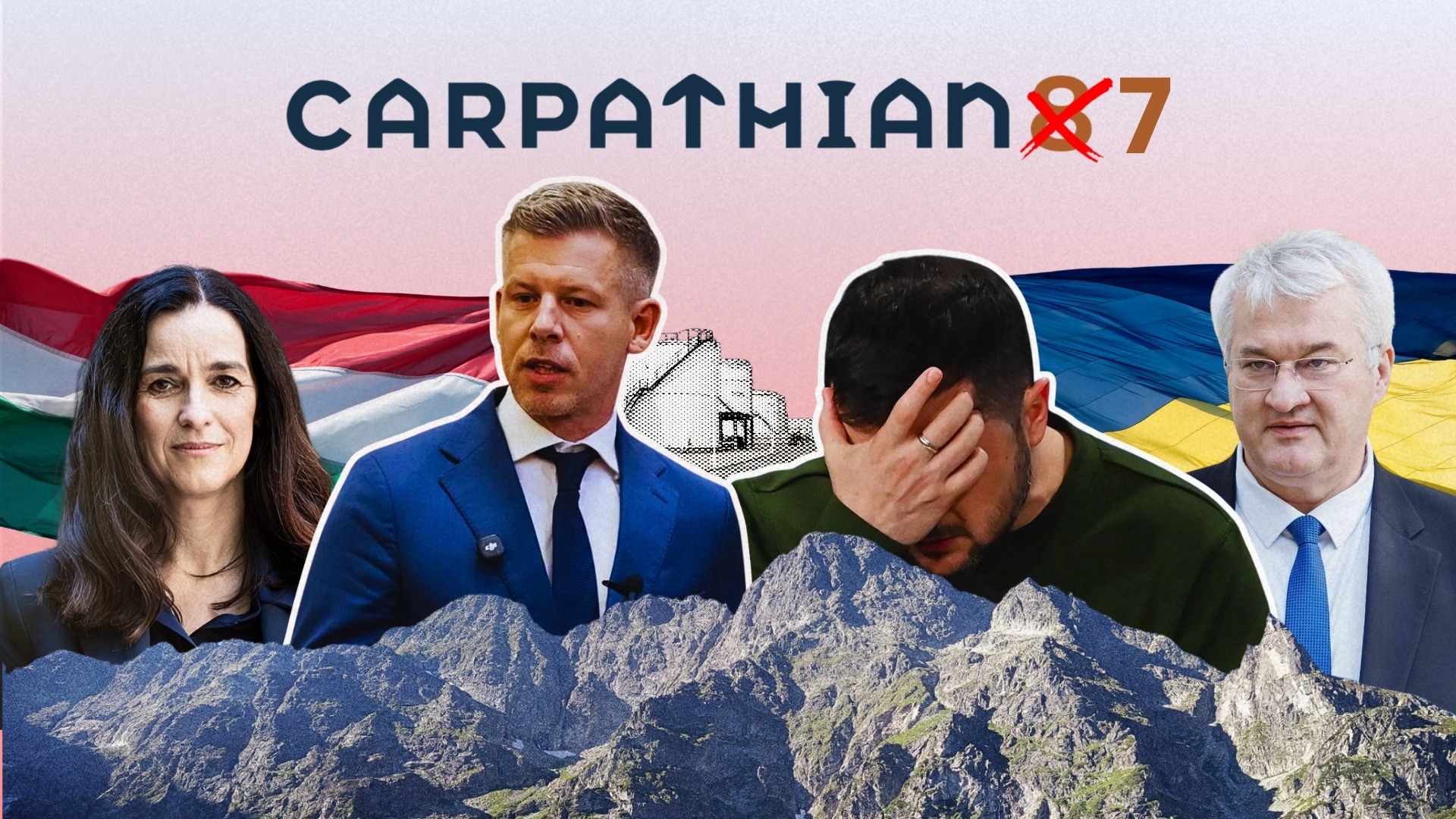
Analysis
Democratic Security
Hungary-Ukraine Spat Gains a New Dimension – OVERVIEW
1 October 2026

Analysis
Economic Security
The Western Balkans Are Ageing Before Getting Rich
9 September 2026
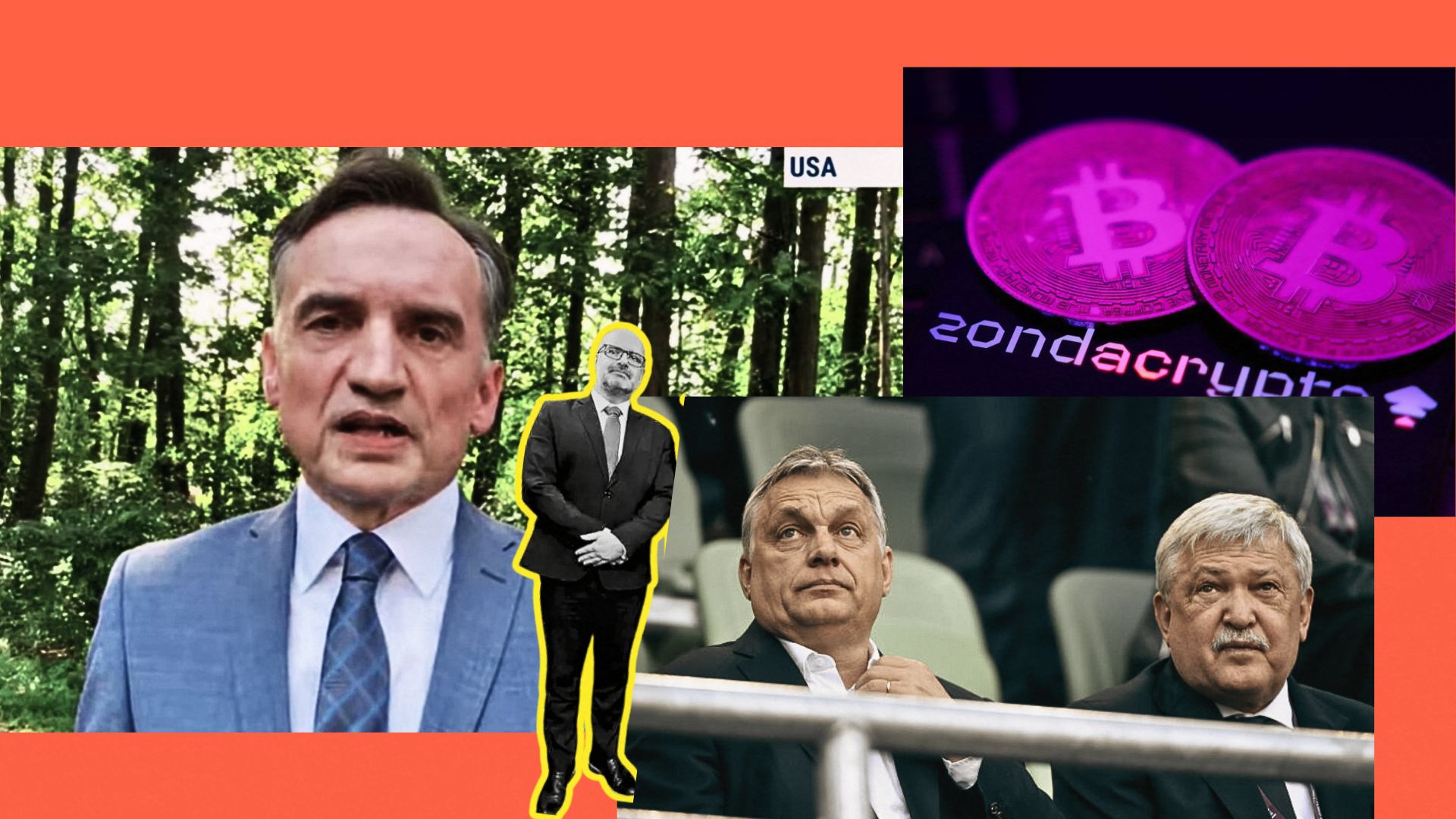
Analysis
Democratic Security
Unlocked
A Polish Crypto Rescue Priced on Orbán Staying in Power
9 September 2026

Analysis
Democratic Security
Donald Tusk’s Tribunal Gambit
3 September 2026